

Window blinds add elegance, privacy, and functionality to any indoor space, but they’re also magnets for dust, grime, and allergens. Whether you have roller blinds in your living room, timber blinds in your study, Venetian blinds in your kitchen, or vertical blinds in your patio area, keeping them clean is essential for both aesthetics and air quality. This guide walks you through the best methods and expert tips for cleaning four popular types of indoor window blinds roller, timber, Venetian, and vertical so your home can stay fresh, stylish, and healthy all year round.
General Cleaning Principles for All Types of Blinds
Before diving into specific methods for each type of blind, it’s important to understand the general cleaning principles that apply to all. Regular dusting is the key it prevents buildup and reduces the need for deep cleaning later. Always work from top to bottom to ensure no dust settles on areas you’ve already cleaned. Microfibre cloths, feather dusters, and vacuum brush attachments are ideal tools for gentle and effective cleaning.
Equally important is knowing what not to do. Avoid soaking or oversaturating your blinds, especially wooden ones, as moisture can cause warping or discoloration. Steer clear of harsh chemicals or bleach unless specifically recommended by the manufacturer. And for fabric blinds, blot stains gently instead of rubbing to prevent spreading or damaging the material.
How to Clean Roller Blinds
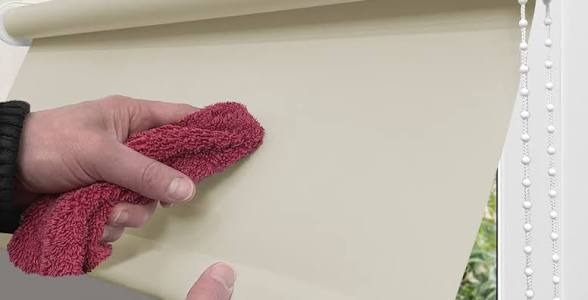
Roller blinds are a sleek, modern choice made from fabric or vinyl that rolls up neatly around a top tube. To keep them looking fresh, begin by fully extending the blind and using a vacuum cleaner with a soft brush attachment to remove loose dust. For light dirt, simply wipe the surface with a dry microfibre cloth.
For a deeper clean, use lukewarm soapy water mixed with a mild detergent. Gently wipe the fabric from top to bottom, focusing on stains or marks. Avoid soaking the material a damp cloth is all you need. Vinyl or PVC roller blinds can handle more moisture, so you can wipe them more thoroughly and then air dry them. Always allow roller blinds to dry completely in the extended position before rolling them back up to prevent mould or mildew growth. For stubborn stains, test any cleaner on a small, hidden section first.
How to Clean Timber (Wood & Faux-Wood) Blinds
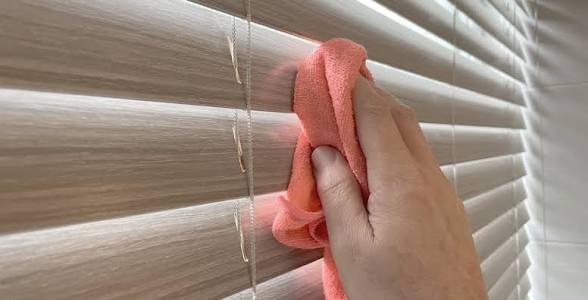
Timber blinds are classic and elegant, but they require special care. Dust them regularly using a soft cloth, dusting mitt, or vacuum brush attachment. Tilt the slats slightly to reach all surfaces, and start from the top to prevent re-soiling cleaned areas.
When it comes to deeper cleaning, avoid using excess water on real wood blinds. Instead, use a well-wrung damp cloth with a gentle wood cleaner or a small amount of mild detergent. Immediately dry each slat with a soft, dry microfibre cloth to prevent water spots or warping. For faux-wood blinds, which are more resistant to moisture, you can use mild soapy water and rinse with a damp cloth. Finish with a dry wipe. Occasionally applying a small amount of wood polish or lemon oil can enhance shine and protect the finish.

How to Clean Venetian Blinds
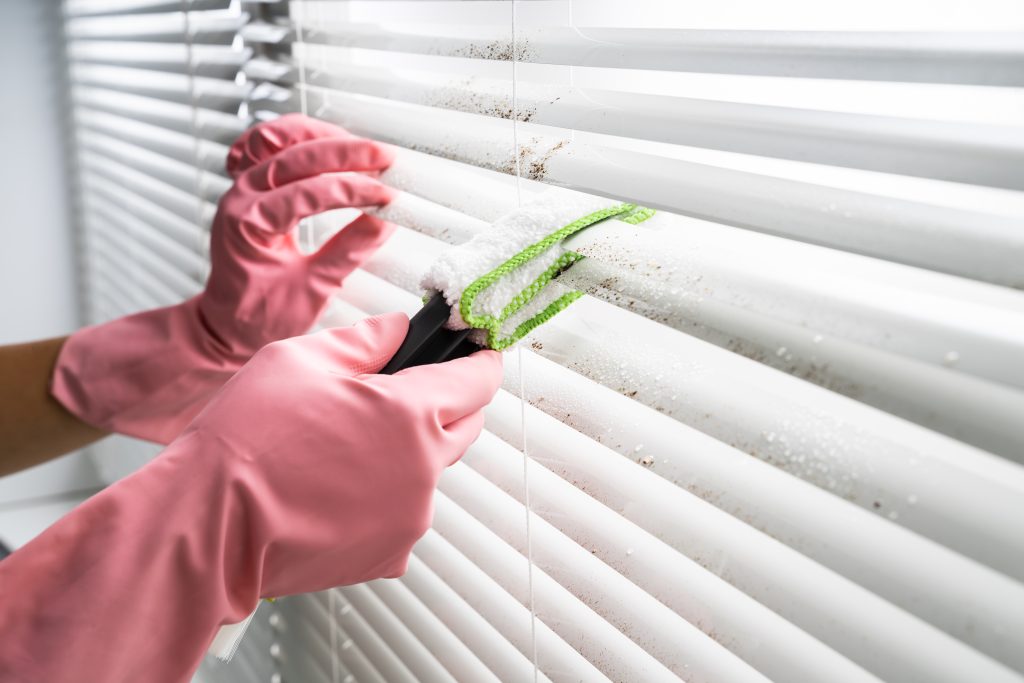
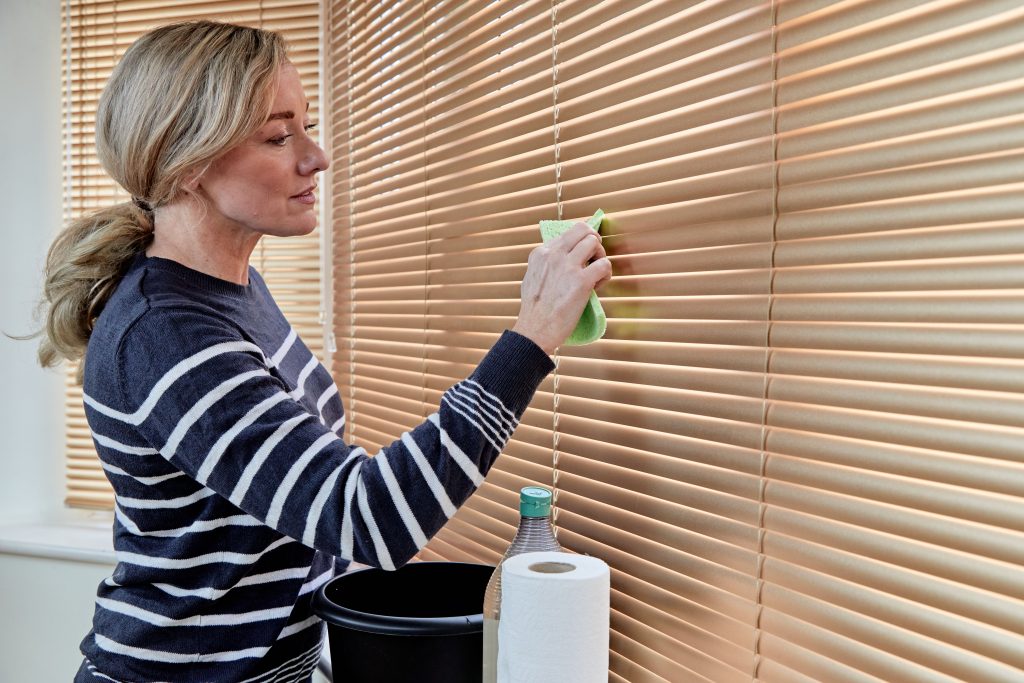
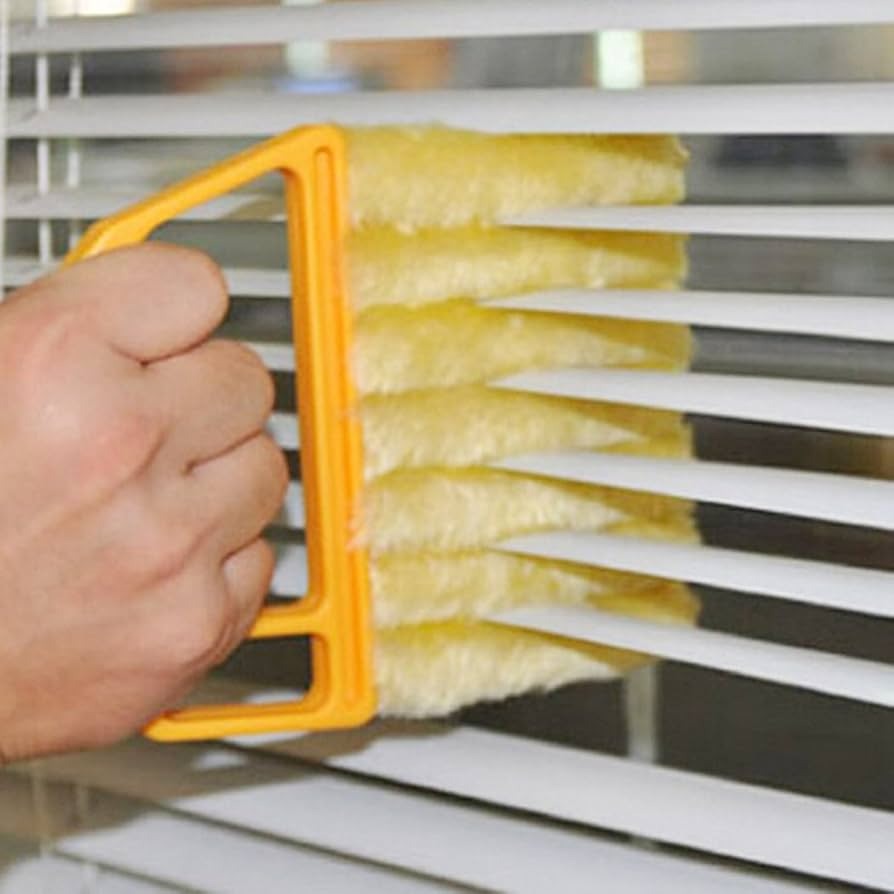
Venetian blinds, with their horizontal slats made of metal, plastic, or wood, are versatile but can quickly accumulate dust. Start by closing the slats and using a feather duster or soft cloth to wipe each one. Then, reverse the tilt of the slats and repeat on the other side. A vacuum with a brush attachment can also be used for faster results.
For deep cleaning, metal or plastic Venetian blinds can be taken down and soaked in a bathtub filled with warm soapy water. Let them sit for 15–30 minutes, then rinse and dry each slat thoroughly before rehanging. If your blinds are wooden, follow the timber cleaning instructions to avoid moisture damage. For kitchen blinds, where grease buildup is common, use a mild degreaser or diluted dish soap to lift
residue effectively.
How to Clean Vertical Blinds
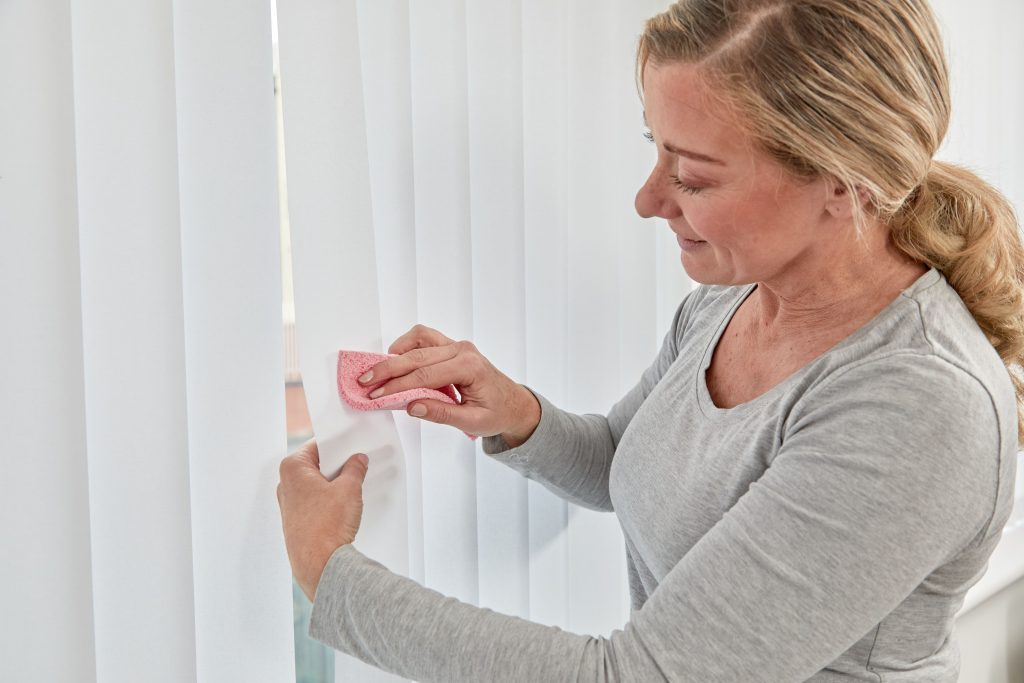
Vertical blinds are ideal for large windows and sliding doors. They come in a variety of materials, including fabric, vinyl, faux wood, and metal. To clean them, begin by dusting each vertical slat using a feather duster or vacuum brush attachment. Rotate the slats as you go to reach both sides.
For fabric vertical blinds, check the manufacturer’s care instructions. Some can be removed and hand-washed in warm soapy water, then laid flat to air dry. Avoid machine drying, which can shrink or damage the material. Vinyl and faux-wood vertical blinds are easier to maintain simply wipe each slat with warm soapy water, rinse, and dry. After cleaning, rehang the slats carefully, ensuring that they align evenly and that the weights and chains at the bottom are properly attached.
Maintenance Tips and Cleaning Schedule
To keep your blinds looking their best, follow a regular cleaning schedule. Dust or vacuum every one to two weeks, especially in high-traffic or dusty areas. Perform a more thorough cleaning every month and deep cleaning every three to six months, depending on your environment. Homes with pets, smokers, or open windows may require more frequent care.
Preventive maintenance goes a long way. Use microfibre cloths that trap dust effectively without spreading it, and handle cords or chains gently to prevent misalignment. In humid areas like kitchens and bathrooms, wipe blinds more often to prevent mould. If slats are warped, cracked, or permanently stained, consider replacing them or seeking professional cleaning such as ultrasonic blind cleaning services.
Conclusion
Keeping your blinds clean not only improves your home’s appearance but also enhances indoor air quality and prolongs the life of your window treatments. Whether you’re maintaining delicate timber blinds or practical roller shades, regular attention and the right cleaning techniques make a big difference. Choose one room at a time, follow these tips, and enjoy a cleaner, brighter, and healthier living environment.